
Witch Hazel Overview: Properties, Uses, Safety & Buying Guide
Witch hazel, also known as Hamamelis water, witch hazel extract, distilled witch hazel, or Hamamelis virginiana extract, is a versatile plant-based ingredient, highly regarded for its applications in the skincare and personal care sectors, as well as its use in the pharmaceutical industry.
Witch hazel comes from the bark and leaves of the Hamamelis virginiana shrub. It’s known to have astringent, anti-inflammatory, and soothing properties, which makes it a splendid partner both for DIY projects and commercial formulations.
This comprehensive guide provides essential information related to witch hazel, including its main characteristics, properties, practical uses, safety recommendations, and sourcing information.

An Overview of the Properties of Witch Hazel
An Overview of the Properties of Witch Hazel
Understanding the physical and chemical properties of witch hazel is crucial for formulators in skincare, personal care, pharmaceutical, or even industrial applications. Whether you’re using alcohol-based or alcohol-free versions, its composition and behavior play a key role in how well it performs in a finished product.
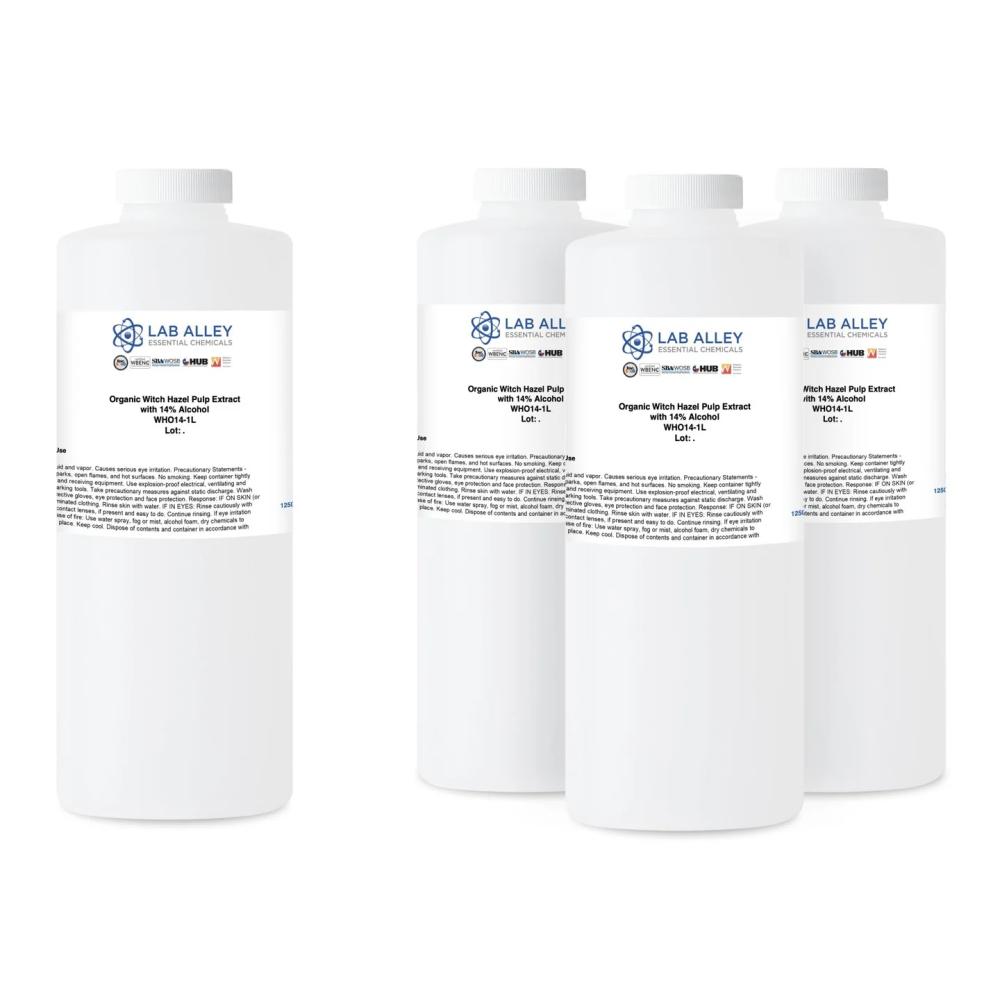
Key Facts About Witch Hazel:
- Compound Name: Witch hazel
- Synonyms: Witch hazel extract, Hamamelis water, Hamamelis virginiana extract, Distilled witch hazel, Witch hazel distillate
- Chemical Nature: Natural botanical mixture (not a single synthetic compound)
- Primary Components: Water, ethanol (approximately 14% in alcohol-based preparations), tannins (primarily hamamelitannin)
- CAS Numbers:
- Hamamelis virginiana extract: 84696-19-5
- Witch hazel water (distillate): 68916-39-2
- Appearance: Clear, colorless to pale yellow liquid with a mild, slightly woody or herbal scent.
Density
Witch hazel’s density generally ranges between 0.94 and 0.98 g/mL at 20°C. This value can vary depending on ethanol concentration, as higher alcohol levels tend to slightly reduce density.
Boiling and Melting Points
Witch hazel boils at a range of temperatures, from around 78 to 100°C. The different boiling points reflect its blend of ethanol (which boils at 78°C) and water (which boils at 100°C). Its freezing point is typically between -2 and -5°C, lowered by the presence of ethanol.
Witch hazel is a vital ingredient in skin treatments and exfoliating skincare products. Skincare and dermatology labs in the United States looking for witch hazel, call Lab Alley at 512-668-9918 to order the ideal size and grade for your application.
Solubility Profile
Witch hazel is soluble in both water and ethanol, making it a great addition to a variety of aqueous and alcohol-based formulations. When it comes to oils or fats, witch hazel doesn't play well unless emulsifiers are used to help it blend into oil-based products. It also dissolves in lower alcohols like isopropanol but is incompatible with nonpolar solvents such as mineral oils or hydrocarbons.
pH Level
Witch hazel’s pH usually ranges between 3.0 and 5.5, depending on factors like the plant material, the distillation method, and the concentration of ethanol in the final product. This slight acidity supports its effectiveness as both a gentle astringent and a light antimicrobial agent.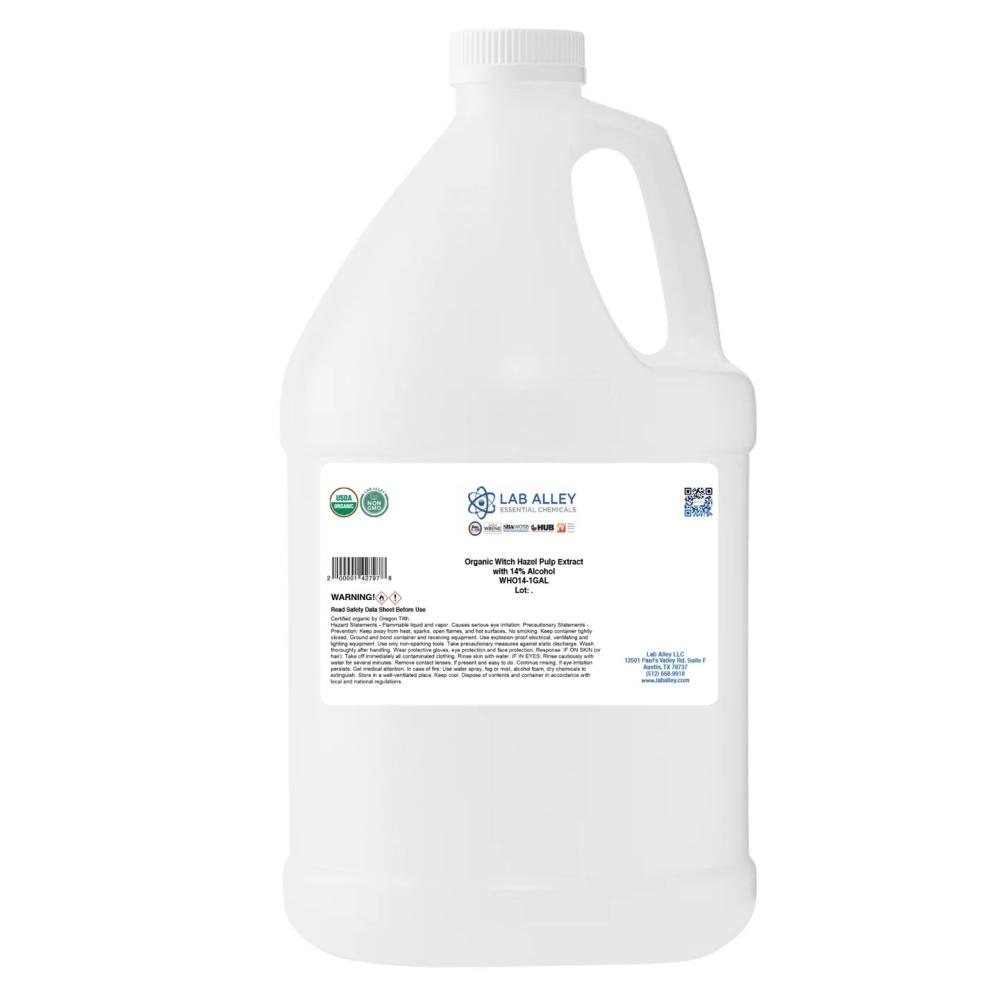
Reactivity and Handling Considerations
Witch hazel remains stable under standard storage conditions, which means when kept cool, dry, and away from direct sunlight. Long-term UV exposure can degrade its quality, which is why it’s often stored in amber bottles.
It’s important to mention that witch hazel should not be mixed with strong oxidizers like bleach or peroxides, strong acids or bases, or reactive metals such as aluminum or zinc, as these can destabilize the formulation or cause corrosion over time.
Witch Hazel sold by Lab Alley comes in multiple grades and sizes, ranging from 500mL to 55-gallon drums as well as pallets.
Uses & Benefits
Witch hazel’s versatility comes from its natural origin, low irritation potential, and multifunctional benefits.Thanks to its soothing, astringent, and antimicrobial properties, this botanical extract finds a place everywhere from personal care products to formulation labs.
Industrial Applications
In manufacturing and product development, witch hazel works as both a key ingredient and a formulating aid. It is commonly included in natural skincare, aftershaves, and cosmetic bases, serving as a plant-based alternative to harsher ingredients.
It is highly popular in eco-conscious, alcohol-based product lines thanks to its ability to act as a mild solvent and astringent. In formulation laboratories, witch hazel is used to assess emulsion stability and study how botanical ingredients interact, making it a valuable tool for product innovation.
Scientific & Laboratory Uses
Although witch hazel is less common than other traditional reagents, it holds unique value in research environments, like dermatological studies and natural product chemistry, particularly when testing plant-based preservatives in pH-balanced formulations.
Academic and R&D labs also use it to examine the antimicrobial effects of botanical compounds. Its mild acidity and reliable chemical behavior make it especially useful in early-stage testing of natural actives.
Consumer & Household Uses
Witch hazel has long been a trusted staple for personal care and home remedies in households. It appears in everyday items like facial toners, cleansing wipes, and aftershaves, offering a gentle yet effective solution for daily skincare needs.
Many people also rely on it as a natural remedy for insect bites, razor burn, and minor skin irritations. And beyond personal care, witch hazel is used in DIY cleaning sprays and solutions, valued for its mild antiseptic and deodorizing qualities.
Specialized Applications
Witch Hazel benefits extend into more specialized areas as well. In pharmaceuticals for instance, it is a common ingredient in topical treatments for hemorrhoids, anti-itch creams, and soothing gels. In cosmetics and personal care, it appears in acne treatments, deodorants, micellar waters, and facial mists.
Likewise, veterinary and agricultural products occasionally use witch hazel in pet grooming solutions or natural plant care formulas, especially where fungal or bacterial resistance is needed. It can be in a high-tech lab, a cosmetics production line, or a home medicine cabinet, where hazel continues to prove its value across a wide range of applications.
Fight Your Kidney Stone with This Natural Product Hack
Fight kidney stones. Discover how citric acid naturally prevents stone formation.

Is Lactic Acid Bad? A Look at the Health Science
Is lactic acid bad for you? Debunking myths and revealing its vital role in your body & beyond.
Hospitality Without Hitchhikers: Boric Acid’s Role in Bed Bug Prevention
Protect your hospitality business. Boric acid is key to preventing bed bug infestations.
Harnessing Silica Sulfuric Acid to Enhance Concrete Durability
Enhance concrete longevity. Silica sulfuric acid improves strength and chemical resistance.
Safety Information
While witch hazel is widely regarded as safe for consumer use, it is still a chemical mixture that requires responsible handling, particularly in industrial or bulk settings. Proper storage, handling, and disposal practices are essential to maintain product quality and ensure a safe working environment.
Hazards & Precautions
Witch hazel is generally safe for topical use in standard concentrations, but keep in mind it may cause irritation in higher concentrations or for individuals with sensitive skin. Due to its ethanol content, witch hazel is flammable and should be stored away from heat or open flames. Inhalation risks are low under normal usage, but it's recommended to ensure proper ventilation to prevent vapor buildup, especially in unventilated spaces.
Personal Protective Equipment (PPE)
When handling witch hazel in bulk, basic protective equipment is recommended. Nitrile or latex gloves help prevent skin contact, while safety goggles protect the eyes during transfers or large-scale handling. It should always be used in a well-ventilated space, and open flames or heat sources should be avoided, especially with alcohol-containing formulations.
Storage Guidelines
Witch hazel should be stored between 15-30°C (59-86°F) in a cool, dry, and ventilated area. Keep it tightly sealed in its original container and protect it from direct sunlight or excessive heat, which can degrade alcohol-based products. It should not be stored near strong oxidizers, acids, or other reactive materials.
Spill & Disposal Procedures
In the event of a spill, absorb the liquid using an inert material such as vermiculite or sand, and dispose of it in an approved chemical waste container. Large volumes should never be poured down drains. Instead, follow local environmental regulations for safe and compliant disposal.

How to Safely Dispose of Sulfuric Acid
Sulfuric acid is one of the most common acidifying reagents and sulfur sources, essential across multiple industries. At the same time, it is also a toxic and highly hazardous chemical reagent, requiring safe handling and disposal by trained personnel.
Acetone Safety: Proper Storage and Disposal Methods
Acetone is a staple chemical solvent in most laboratories. It is also perhaps one of the most recognizable chemicals to the layperson, best known as the pungent solvent comprising nail polish remover.
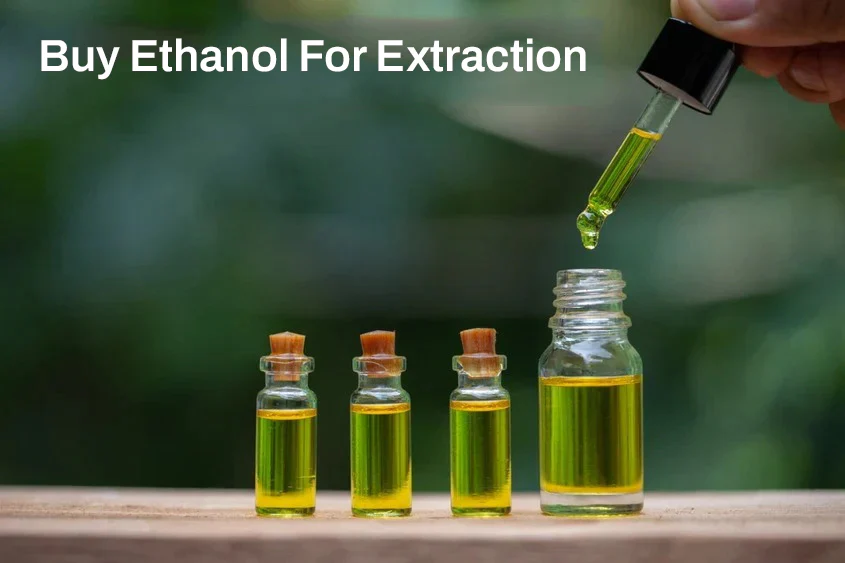
Pictured Above Are 5 Bottles Of Medicinal Oils Derived From Plants
You can order food grade ethanol, extraction grade ethanol, ACS grade ethanol, FCC grade ethanol, USP grade ethanol, HPLC grade ethanol and kosher ethanol from Lab Alley. Perform ethanol (EtOH) extraction at ultra-low temperatures for the best yields.
Ethanol extraction is a cost-effective way to use ethanol as an industrial solvent to produce high quality botanical extracts from large volumes of medicinal herbs or plants.
Pictured Above Are 5 Bottles Of Medicinal Oils Derived From Plants
FAQs
What is witch hazel and where does it come from?
What are the various grades of Witch Hazel?
Natural Distillate: Alcohol-free and perfect for clean-label products or sensitive skin formulations. 14%
Alcohol Formulation: A standard option widely used in skincare, toners, and astringents.
Custom Blends: Tailored solutions available to meet unique formulation needs.
What are the most common uses and benefits of witch hazel?
Skin toning: It helps to tighten pores and reduce excess oil, making it popular in facial toners.
Soothing irritation: Effective for calming minor skin irritations, redness, and itching from insect bites, razor burn, and mild rashes.
Acne management: Its astringent properties can help dry out blemishes and reduce inflammation associated with acne.
Hemorrhoid relief: Applied externally, it can help reduce itching, burning, and swelling related to hemorrhoids.
Minor cuts and scrapes: Its antiseptic qualities can help cleanse minor wounds and reduce bleeding.
Is witch hazel safe for all skin types, especially sensitive skin?
Sources
- "Unveiling the Therapeutic Potential…” - Journal of Cosmetic Dermatology (2024)
- National Library of Medicine: Revealing the Therapeutic Potential: Investigating the Impact of a Novel Witch Hazel Formula on Anti‐Inflammation and Antioxidation
- MDPI - Hamamelis virginiana L. in Skin Care: A Review of Its Pharmacological Properties and Cosmetological Applications
- WebMD. (n.d.). WITCH HAZEL: Overview, Uses, Side Effects, Precautions, Interactions, Dosing and Reviews
- Healthline: 8 Benefits and Uses of Witch Hazel
- NOAA CAMEO Chemicals. "WITCH HAZEL."