
Sodium Bicarbonate Overview: Properties, Uses, Safety & Buying Guide
TBD
Sodium Bicarbonate Overview

Sodium bicarbonate (NaHCO₃), commonly recognized as baking soda, is one of the most familiar yet scientifically significant compounds in both domestic and industrial settings. At its core, sodium bicarbonate is a white, crystalline powder with a mildly alkaline nature. But beneath that simple appearance lies a compound that plays an essential role in countless chemical processes: balancing pH, neutralizing acid, and releasing carbon dioxide when activated. It’s a staple for pharmaceuticals, a must-have in food production, and a trusted agent in environmental applications such as flue gas treatment and water purification.
This overview explores the essential facts about sodium bicarbonate, including its chemical properties, practical uses, safety considerations and availability in various grades and packaging formats. Whether you’re a formulator, researcher, or facility manager, understanding the basics of sodium bicarbonate is the first step to leveraging its full potential.
Lab Alley supplies premium-grade sodium bicarbonate to consumers, laboratories, manufacturers, research institutions, and industrial operations nationwide. Our sodium bicarbonate meets high standards of purity, making it suitable for diverse uses including household cleaning, personal care formulations, food processing and sanitation, scientific research, and industrial production.We offer sodium bicarbonate in convenient packaging sizes ranging from 1 pound to 50 kilograms, with additional bulk quantities available upon request.To place an order or learn more about custom sizes and pricing, call Lab Alley at 512-668-9918.
Sodium bicarbonate is a well-characterized inorganic compound with broad recognition across industries and scientific communities. While it’s most famously known as baking soda, it also goes by several other names in professional and commercial contexts.
In this section, we will go over its synonyms, chemical formula, CAS number -the globally recognized identifier-, molar mass and appearance. Check out the table below where we lay out all the information:

Key Facts About Sodium Bicarbonate:
- Compound Name: Sodium bicarbonate
- Synonyms: Baking Soda, Bicarbonate of Soda, Sodium Hydrogen Carbonate, E500(ii) (as a food additive code in the EU)
- Chemical Formula: NaHCO₃
- CAS Number: 144-55-8
- Molar Mass: 84.01 g/mol
- Appearance: White, crystalline powder or granules. Odorless.
Lab Alley’s sodium bicarbonate products are formulated to meet stringent quality and purity standards, making them suitable for a wide range of applications including household cleaning, personal care, odor control, organic farming, food processing, pH regulation, chemical buffering, and environmental cleanup. As a mildly alkaline compound with the chemical formula NaHCO₃, sodium bicarbonate is valued for its ability to neutralize acids, control odors, and act as a gentle abrasive. It is a safe, versatile, and environmentally friendly ingredient widely used in both consumer and industrial settings.
Sodium Bicarbonate Properties:
Sodium bicarbonate’s wide usability stems from its stable, non-toxic nature and predictable reactivity. Whether it’s being used to neutralize acids, regulate pH, or clean surfaces, these core properties define how it performs under different conditions.
Density
Sodium bicarbonate has a density of approximately 2.2 g/cm³. This relatively high density provides good bulk stability, making it suitable for storage in both small containers and large industrial silos.
Boiling Point & Melting Point
It melts at around 50°C (122°F) and decomposes upon further heating. When heated beyond its melting point, sodium bicarbonate undergoes thermal decomposition, releasing carbon dioxide (CO₂), which makes it effective as a leavening agent or neutralizing compound.
Solubility
Sodium bicarbonate is soluble in water but only sparingly soluble in alcohol and other organic solvents. Its water solubility enables it to function efficiently in aqueous solutions, making it ideal for use in medical formulations, laboratory buffers, and water treatment systems.
pH Level
A 1% aqueous solution of sodium bicarbonate has a pH of approximately 8.3. This mild alkalinity makes it ideal for buffering pH-sensitive systems without being overly caustic or reactive.
Reactivity
Sodium bicarbonate is stable under normal conditions but reacts with acids to release carbon dioxide gas. This acid-base reaction is essential to its role in baking, pharmaceuticals, and industrial neutralization. Despite its general stability, it should be kept away from strong acids and high heat, both of which can accelerate its decomposition.
Uses & Benefits
In industrial settings, sodium bicarbonate serves as a versatile compound used for buffering, pH regulation, and gentle abrasion. It’s integral to processes like textile dyeing, fire suppression, industrial cleaning, and even plastic and leather production. In chemical synthesis, mining, and metallurgy, it helps neutralize acids, suppress dust, and clean metal surfaces - showcasing its broad utility in manufacturing and processing.
In laboratories, sodium bicarbonate is widely used to buffer acid-base reactions and prepare chemical solutions. Its compatibility with biological systems makes it ideal for maintaining pH in cell cultures and enzyme studies. Researchers rely on it for its low reactivity, affordability, and solubility in water.
Medically, sodium bicarbonate is FDA-approved for use as an antacid and is administered intravenously for conditions like metabolic acidosis. In pharmaceuticals, it acts as both an active ingredient and a stabilizing excipient, commonly appearing in tablets, toothpastes, and rinses. Its non-corrosive nature also makes it suitable for cleaning delicate medical equipment.
In the food and beverage industry, sodium bicarbonate plays a key role as a leavening agent in baking (E500), a pH adjuster, and a carbonation agent in beverages. It also contributes to food preservation and appears in nutritional supplements to balance acidity during physical exertion.
Agriculturally, it neutralizes acidic soils, supports healthy crop growth, and acts as a mild fungicide. In livestock, it’s used to reduce digestive acidity and improve milk production efficiency in dairy cattle. Its eco-friendly profile suits both organic and conventional farming.
Around the home, sodium bicarbonate is a safe and effective cleaner and deodorizer. It’s used to scrub surfaces, enhance laundry detergents, and freshen textiles. In personal care, it’s found in bath soaks, deodorants, and oral hygiene products due to its natural exfoliating and odor-neutralizing properties.
Environmentally, sodium bicarbonate is a key player in pollution control. It neutralizes acidic gases in flue gas desulfurization and adjusts wastewater pH to help remove heavy metals - offering a non-toxic alternative to harsher chemicals.
Sodium bicarbonate is available in multiple grades, including USP, Food, ACS, and Industrial, with packaging options ranging from small boxes to bulk drums. Choosing the right grade ensures compliance with safety and regulatory standards across different applications.
In summary, sodium bicarbonate is a cornerstone of modern industry and daily life. Its chemical versatility, safety, and environmental friendliness make it an essential solution across sectors, from food and pharma to agriculture and environmental management.
Lab Alley is proud to be a trusted supplier of high-quality sodium bicarbonate for professionals, businesses, and consumers across all sectors, providing consistent purity, reliable performance, and fast, nationwide shipping. With a commitment to quality and customer satisfaction, Lab Alley ensures you have the sodium bicarbonate you need - when and how you need it.
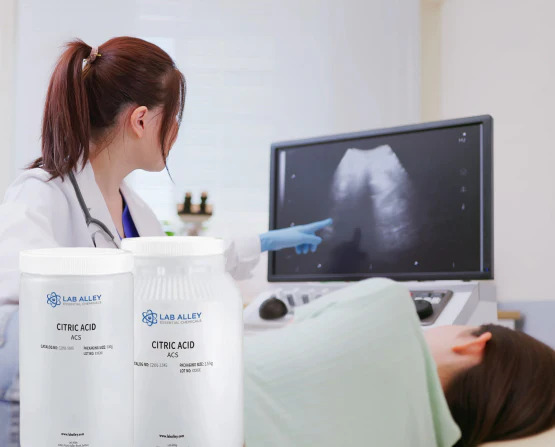
Fight Your Kidney Stone with This Natural Product Hack
Fight kidney stones. Discover how citric acid naturally prevents stone formation.

Is Lactic Acid Bad? A Look at the Health Science
Is lactic acid bad for you? Debunking myths and revealing its vital role in your body & beyond.
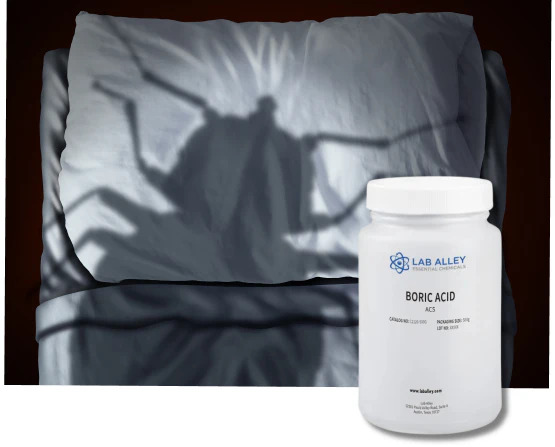
Hospitality Without Hitchhikers: Boric Acid’s Role in Bed Bug Prevention
Protect your hospitality business. Boric acid is key to preventing bed bug infestations.
Harnessing Silica Sulfuric Acid to Enhance Concrete Durability
Enhance concrete longevity. Silica sulfuric acid improves strength and chemical resistance.
Safety Information
Sodium bicarbonate is widely regarded as a safe and low-risk compound, but like any chemical, it should still be handled with care, especially in industrial or high-volume environments. Understanding the basic safety precautions, storage requirements, and proper disposal methods ensures that it remains effective, compliant, and hazard-free throughout its lifecycle.
Hazards & Precautions
While sodium bicarbonate is non-toxic, non-flammable, and chemically stable under normal conditions, improper use or storage can still pose minor risks. These facts should always be considered when handling especially large amounts:
- Sodium bicarbonate is a mild irritant in concentrated powder form. It may cause eye or skin discomfort upon direct contact.
- It reacts with acids, releasing carbon dioxide gas (CO₂). In enclosed or poorly ventilated areas, this may lead to pressure buildup or respiratory discomfort.
- Its thermal decomposition at high temperatures (>50°C / 122°F) produces sodium carbonate (CO₂), which can cause container bloating or rupture if sealed.
Personal Protective Equipment (PPE)
In industrial, lab settings or at home, always follow standard chemical safety protocols:
- Household / Consumer: None typically required beyond basic ventilation and handwashing
- Laboratory / Industrial:
- Safety goggles
- Protective gloves
- Dust mask (optional, if airborne exposure)
Storage Guidelines
Proper storage preserves sodium bicarbonate’s effectiveness and shelf life. Make sure to fulfill these requirements:
- Store in a cool, dry environment because moisture causes clumping and may trigger slow degradation.
- Use airtight containers. Preferably plastic (HDPE), stainless steel, or glass with secure lids.
- Avoid contamination especially in food, pharmaceutical, or laboratory contexts.
Recommendation: Bulk quantities should be kept in sealed drums or lined bags, away from acids or volatile chemicals.
Spill & Disposal Procedures
Even though sodium bicarbonate might look easy to clean and dispose of, we recommend taking the following precautions whether you are working with small or large spills:
- Small Spill: Sweep or vacuum dry powder; then rinse the area with water to remove residues.
- Large Spill: Use mechanical collection, then wash the area with water while minimizing dust exposure.
- Disposal: Safe for standard disposal; follow local regulations for industrial quantities.
How to Safely Dispose of Sulfuric Acid
Sulfuric acid is one of the most common acidifying reagents and sulfur sources, essential across multiple industries. At the same time, it is also a toxic and highly hazardous chemical reagent, requiring safe handling and disposal by trained personnel.
Acetone Safety: Proper Storage and Disposal Methods
Acetone is a staple chemical solvent in most laboratories. It is also perhaps one of the most recognizable chemicals to the layperson, best known as the pungent solvent comprising nail polish remover.
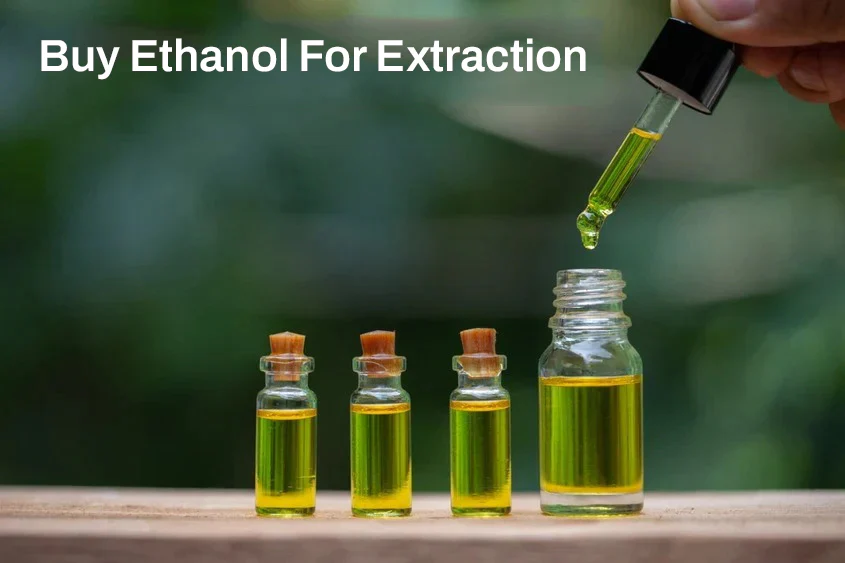
Pictured Above Are 5 Bottles Of Medicinal Oils Derived From Plants
You can order food grade ethanol, extraction grade ethanol, ACS grade ethanol, FCC grade ethanol, USP grade ethanol, HPLC grade ethanol and kosher ethanol from Lab Alley. Perform ethanol (EtOH) extraction at ultra-low temperatures for the best yields.
Ethanol extraction is a cost-effective way to use ethanol as an industrial solvent to produce high quality botanical extracts from large volumes of medicinal herbs or plants.