
Salicylic Acid: Your Guide To Buying & Understanding This Versatile Chemical
Salicylic acid is a highly versatile organic compound with a broad range of applications across many industries, from skincare formulations to chemical manufacturing. It is classified as a beta hydroxy acid (BHA) and is widely valued for its exfoliating, antimicrobial, and anti-inflammatory properties. Naturally derived from plants like willow bark, salicylic acid is also synthesized for consistency and purity in industrial and pharmaceutical applications. Understanding its chemical profile, key uses, safety considerations, and purchasing options is crucial for both commercial users and researchers.
Buy Salicylic Acid For Consumer Health and Skincare

Salicylic acid’s unique chemical and physical properties contribute to its versatility across multiple industries, including pharmaceuticals, cosmetics, and chemical manufacturing. Understanding these properties is essential for optimizing its use in formulations and ensuring safe handling. Its stability, solubility characteristics, and reactivity profile determine how it is processed, stored, and applied.
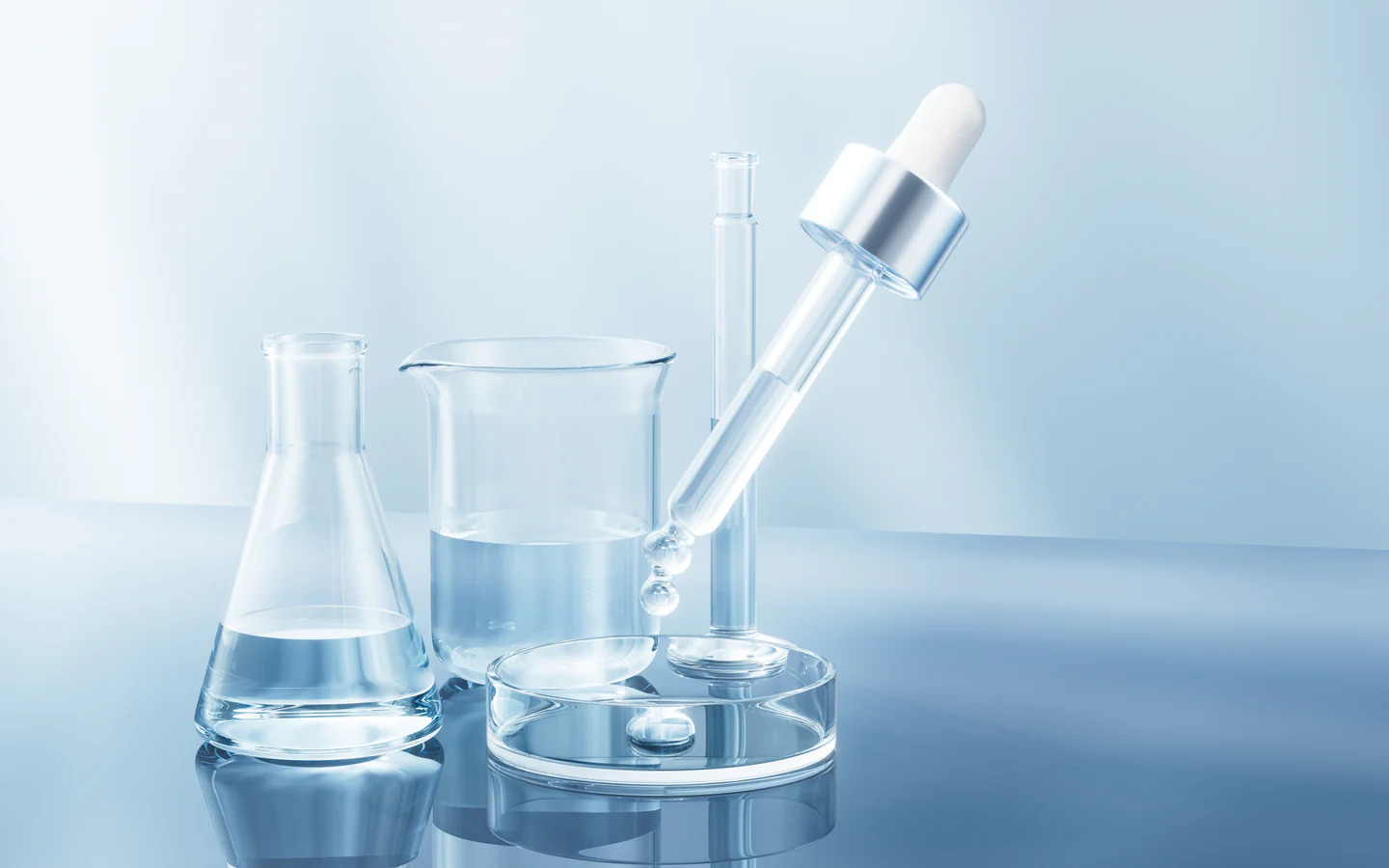
Buy 1 pound bottles of ≥99.5% USP Grade Salicylic Acid for skincare at Lab Alley. Order the highest purities and the best grades in for exfoliation, antimicrobial treatments, and chemical synthesis processes across multiple industries
Salicylic acid is a cornerstone ingredient in acne treatments and exfoliating skincare products. Skincare and dermatology labs in the United States looking for salicylic acid, call Lab Alley at 512-668-9918 to order the ideal size and grade for your application.
Key Physical Characteristics: Salicylic acid has a density of approximately 1.44 g/cm³, a melting point between 158–161°C (316–322°F), and sublimes at around 211°C (411°F) under reduced pressure. It is slightly soluble in water but dissolves more readily in solvents like ethanol, acetone, and ether.

Chemical Behavior and Reactivity: In solution, Salicylic Acid behaves as a weak acid (pKa ≈ 2.97) and reacts with strong oxidizers, bases, iron salts, and some reactive metals. It can degrade under high heat or light exposure, requiring careful storage and handling protocols.
You can buy salicylic acid for any number of applications from Lab Alley. USP grade salicylic acid is very safe, when properly used, not just for skincare but also for pharmaceutical and agricultural use, as well.
Salicylic Acid sold by Lab Alley is Kosher certified, Halal, and GMO-Free, with the chemical formula C7H6O3.
Uses & Benefits
Salicylic acid’s versatility has made it a staple ingredient across a wide array of industries, from heavy manufacturing to consumer health products. In industrial applications, it contributes to the production of dyes, preservatives, resins, and plastics, while in scientific environments, it serves as an important reagent and pH-modifying agent in research and formulation work. In the consumer market, salicylic acid is best known for its powerful skincare benefits, especially in treating acne and psoriasis by penetrating oil-rich skin layers and promoting exfoliation. Specialized uses extend even further into pharmaceuticals, cosmetics, and agricultural research, demonstrating the compound’s broad utility.
- Industrial and Scientific Applications: Used in the production of dyes, preservatives, resins, plastics, and as a reagent in laboratory research and pharmaceutical development.
- Consumer Health and Skincare: Found in acne treatments, dandruff shampoos, chemical peels, and exfoliating products due to its ability to penetrate oily skin and unclog pores.
- Specialized Uses: Serves as a pharmaceutical precursor to aspirin, plays a role in cosmetic formulations, and is occasionally applied in agricultural research for plant hormone and post-harvest treatments.
Fight Your Kidney Stone with This Natural Product Hack
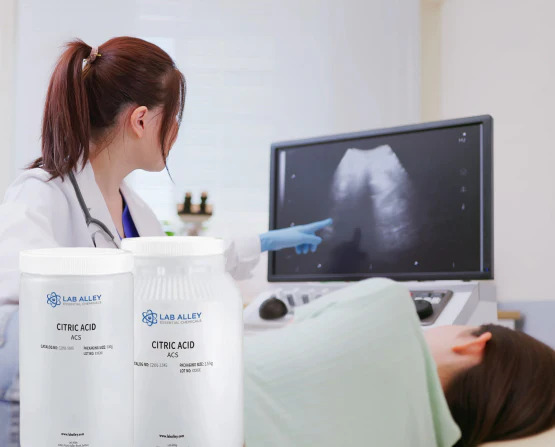
Fight kidney stones. Discover how citric acid naturally prevents stone formation.
Is Lactic Acid Bad? A Look at the Health Science
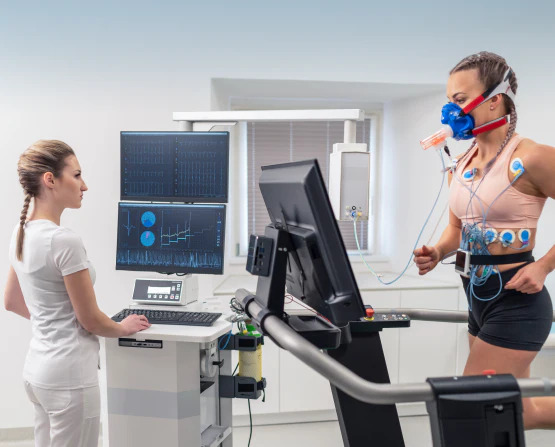
Is lactic acid bad for you? Debunking myths and revealing its vital role in your body & beyond.
Hospitality Without Hitchhikers: Boric Acid’s Role in Bed Bug Prevention
Protect your hospitality business. Boric acid is key to preventing bed bug infestations.
Harnessing Silica Sulfuric Acid to Enhance Concrete Durability
Enhance concrete longevity. Silica sulfuric acid improves strength and chemical resistance.
Safety Information
Salicylic acid must be handled with caution to minimize potential health and environmental risks. It is classified as an irritant that can affect the skin, eyes, and respiratory system, with high concentrations or prolonged exposure possibly leading to chemical burns or sensitization. Proper personal protective equipment (PPE) is essential, along with maintaining appropriate storage conditions to preserve the chemical's stability and prevent dangerous reactions. Lab Alley is committed to promoting safe chemical management practices, offering customers detailed Safety Data Sheets (SDS) and expert support for the safe handling and storage of Salicylic Acid.
- Personal Protection and Handling: Always use protective gloves (nitrile or neoprene), safety goggles or a face shield, and ensure adequate ventilation—preferably working in a fume hood when handling powdered forms—to minimize exposure risks.
- Storage and Spill Management: Store Salicylic Acid in a cool, dry place in tightly sealed containers away from moisture, light, and incompatible substances like alkalis and oxidizers. In the event of a spill, avoid creating dust, ventilate the area, and dispose of waste according to local hazardous material regulations.
How to Safely Dispose of Sulfuric Acid
Sulfuric acid is one of the most common acidifying reagents and sulfur sources, essential across multiple industries. At the same time, it is also a toxic and highly hazardous chemical reagent, requiring safe handling and disposal by trained personnel.
Acetone Safety: Proper Storage and Disposal Methods
Acetone is a staple chemical solvent in most laboratories. It is also perhaps one of the most recognizable chemicals to the layperson, best known as the pungent solvent comprising nail polish remover.
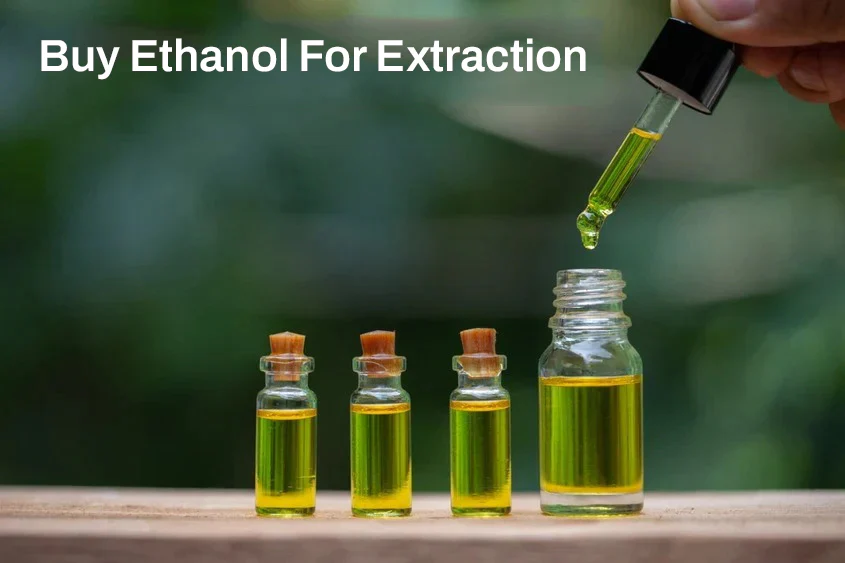
Pictured Above Are 5 Bottles Of Medicinal Oils Derived From Plants
You can order food grade ethanol, extraction grade ethanol, ACS grade ethanol, FCC grade ethanol, USP grade ethanol, HPLC grade ethanol and kosher ethanol from Lab Alley. Perform ethanol (EtOH) extraction at ultra-low temperatures for the best yields.
Ethanol extraction is a cost-effective way to use ethanol as an industrial solvent to produce high quality botanical extracts from large volumes of medicinal herbs or plants.
Pictured Above Are 5 Bottles Of Medicinal Oils Derived From Plants
FAQs
Where can I buy Salicylic Acid?
If you are looking to source high-quality Salicylic Acid for laboratory work, manufacturing, or product formulation, Lab Alley provides a wide range of options tailored to meet diverse industry needs. Customers can choose from various purity grades and packaging formats designed for both small-scale research and large-scale commercial production. Whether you require pharmaceutical-grade material for skincare formulations or industrial-grade Salicylic Acid for chemical processes, Lab Alley offers reliable, high-purity products backed by expert customer support and detailed Safety Data Sheets (SDS) for safe and compliant handling.
What should I look for when ordering Salicylic Acid?
Available Purity Grades: Choose from USP Grade for pharmaceutical and cosmetic use, ACS Reagent Grade for laboratory and analytical applications, or Industrial Grade for manufacturing and chemical production.
Flexible Packaging Options: Purchase in small pack sizes for research and formulation needs, or in bulk quantities for larger-scale operations.
What does UPS Grade mean?
Salicylic Acid Powder ≥99.5% USP Grade is in compliance with the United States Pharmacopeia (USP) making it suitable for skincare products, and similar applications such as the manufacture of soap, shampoo, and cosmetics.
Sources
- SD Alcohol 39-C – Cosmetics Info
- Hand Sanitizer Use Out and About – https://www.cdc.gov/handwashing/hand-sanitizer-use.html
- About Cleaning Product Ingredients | The American Cleaning Institute (ACI)
- CFR – Code of Federal Regulations Title 21 (fda.gov)
- Alternative Fuels Data Center: Ethanol Fuel Basics (energy.gov)
- CFR – Code of Federal Regulations Title 21 (fda.gov)
- TTBGov – dbmenu8sub1