
Hydrogen Peroxide Overview: Properties, Uses, Safety & Buying Guide
Hydrogen peroxide (H₂O₂) is an essential compound across industries, recognized for its powerful oxidizing action, environmentally safe byproducts, and broad-spectrum antimicrobial effects. Available in concentrations from 3% to 90% and in multiple certified grades, hydrogen peroxide is used everywhere from homes and hospitals to high-tech manufacturing and scientific research.
Hydrogen Peroxide Overview
 Hydrogen peroxide (H₂O₂) is a remarkably versatile compound that plays an important role across a wide spectrum of industries. Its value lies in its ability to act as a potent oxidizing agent, providing antimicrobial action, bleaching capabilities, and environmental compatibility. From everyday household cleaning products to the most advanced scientific applications, hydrogen peroxide is recognized for its effectiveness and its clean decomposition into just water and oxygen. This characteristic makes it especially appealing for industries seeking sustainable and residue-free solutions.
At the molecular level, hydrogen peroxide consists of two hydrogen atoms and two oxygen atoms. The additional oxygen atom, in comparison to water, is what gives this compound its powerful reactive properties. It appears as a clear, colorless liquid with a slightly sharp, acrid odor. Its reactivity is especially beneficial in processes that require oxidation, disinfection, or chemical breakdown, and its ability to decompose harmlessly contributes to its broad adoption in both controlled environments and consumer products.
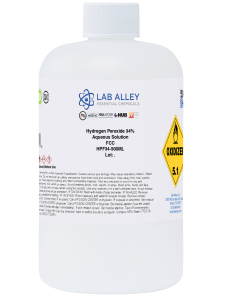
Lab Alley supplies high-purity hydrogen peroxide to consumers, laboratories, manufacturers, research facilities, and more, all across the United States. Our hydrogen peroxide is ideal for a wide range of applications, including household disinfection, personal care, food sanitation, laboratory analysis, and industrial processing. We offer many different strengths, ranging from 3% to 34%. To order hydrogen peroxide in sizes ranging from 500 mL bottles to 310-gallon totes, call Lab Alley at 512-668-9918.

Chemically, hydrogen peroxide has a molar mass of 34.01 grams per mole and is catalogued under CAS number 7722-84-1. In diluted forms, such as the common 3% concentration available in pharmacies, it has a mildly acidic pH of around 4.5. The compound is fully miscible in water and slightly soluble in alcohol and ether, allowing it to be easily incorporated into various formulations. The density of hydrogen peroxide varies with concentration: approximately 1.11 grams per cubic centimeter at 3% concentration and around 1.45 grams per cubic centimeter at 100%. While it has a boiling point of roughly 150°C, it tends to decompose before reaching that temperature when concentrated, releasing oxygen gas in the process.
Despite its many advantages, hydrogen peroxide also presents significant safety considerations. At concentrations exceeding 10%, it becomes notably more hazardous, capable of causing severe skin and eye irritation, chemical burns, and reactive incidents when exposed to incompatible materials such as metals or organic matter. These risks increase with higher concentrations, particularly those used in industrial or laboratory settings. Because of this, hydrogen peroxide is classified as both a strong oxidizer and a corrosive substance. Facilities that store or use it must follow rigorous safety procedures, including controlled environments, proper personal protective equipment (PPE), and secure, labeled storage containers.
Overall, hydrogen peroxide’s unique blend of efficacy, environmental friendliness, and adaptability makes it an indispensable tool in modern chemistry and industry. However, its reactive nature also means that it must be handled with respect and awareness of its properties. Proper understanding of its physical and chemical characteristics is essential for safe and effective use across any application.

Key Facts About Hydrogen Peroxide:
- Synonyms: Peroxide, Hydrogen Dioxide, Dioxidane
- Chemical Formula: H₂O₂
- CAS Number: 7722-84-1
- Molar Mass: 34.01 g/mol
- Appearance: Clear, colorless liquid with a slightly sharp odor
Lab Alley’s hydrogen peroxide products are formulated to meet stringent quality and purity standards, making them suitable for applications such as household disinfection, wound care, surface sanitization, organic farming, food processing, chemical synthesis, semiconductor cleaning, and environmental remediation. As a powerful and versatile oxidizing agent with the chemical formula H₂O₂, hydrogen peroxide offers broad-spectrum antimicrobial action and safely decomposes into water and oxygen, making it both effective and environmentally responsible.
Uses & Benefits
Hydrogen peroxide’s versatility has made it a valuable asset across a broad spectrum of industries, offering both high chemical performance and environmentally responsible behavior. Its ability to act as a powerful oxidizer, combined with its clean decomposition into water and oxygen, means it serves critical roles in applications ranging from household cleaning to advanced industrial manufacturing.
In industrial environments, hydrogen peroxide is frequently used as a reliable solution for oxidation, bleaching, and wastewater treatment. It plays a central role in the pulp and paper industry for bleaching processes, helps prepare and dye textiles, and is used to clean and etch surfaces in electronics manufacturing. Its ability to neutralize odors and disinfect wastewater makes it an essential tool in municipal and industrial effluent treatment systems.
Within the scientific and laboratory community, high-purity hydrogen peroxide is relied upon for its precision and reactivity. It serves as a reagent in oxidation-reduction (redox) reactions, plays a role in titrations and spectrophotometric analyses, and is used for sterilizing lab equipment. Additionally, it is commonly employed in DNA extraction protocols where purity and non-contaminating behavior are crucial.
In the household and consumer realm, hydrogen peroxide is a familiar product often found in medicine cabinets and cleaning supplies. Typically sold in 3% concentrations, it functions as an antiseptic for minor cuts and scrapes, an ingredient in mouthwashes and whitening toothpastes, and a disinfectant for kitchen and bathroom surfaces. Homeowners and organic gardeners also use it to combat mold, mildew, and pests in a non-toxic, environmentally friendly manner.
Hydrogen peroxide also finds specialized uses in the pharmaceutical, cosmetic, and agricultural sectors. In pharmaceuticals, it is used for wound irrigation, earwax removal, and oral hygiene products. Cosmetic manufacturers include it in hair bleaches, whitening formulations, and acne treatments. In agriculture, it plays a role in soil disinfection and the sanitization of irrigation systems, helping to maintain healthier growing environments.
Overall, hydrogen peroxide's combination of effectiveness, safety when properly used, and environmental compatibility has cemented its place as a go-to chemical across a wide range of applications. Its ability to meet the needs of such diverse industries demonstrates its importance as a multipurpose, dependable solution.
Lab Alley is proud to be a trusted supplier of high-quality hydrogen peroxide for professionals, businesses, and consumers across all sectors. Whether you require a low-concentration solution for everyday household use, pharmaceutical-grade peroxide for medical and personal care products, or industrial-strength formulations for manufacturing and laboratory environments, Lab Alley provides consistent purity, reliable performance, and fast, nationwide shipping. With a commitment to quality and customer satisfaction, Lab Alley ensures you have the hydrogen peroxide you need - when and how you need it.
Fight Your Kidney Stone with This Natural Product Hack
Fight kidney stones. Discover how citric acid naturally prevents stone formation.

Is Lactic Acid Bad? A Look at the Health Science
Is lactic acid bad for you? Debunking myths and revealing its vital role in your body & beyond.
Hospitality Without Hitchhikers: Boric Acid’s Role in Bed Bug Prevention
Protect your hospitality business. Boric acid is key to preventing bed bug infestations.
Harnessing Silica Sulfuric Acid to Enhance Concrete Durability
Enhance concrete longevity. Silica sulfuric acid improves strength and chemical resistance.
Safety Information
Despite its benefits, hydrogen peroxide poses significant hazards if handled or stored improperly - especially in concentrations of 30% or higher. These risks include chemical burns, gas release, and dangerous reactions with incompatible substances.
Hazards & Precautions
Hydrogen peroxide is classified as both an oxidizer and a corrosive substance, meaning it can cause severe irritation or chemical burns upon contact with the skin and eyes. One of its key hazards is thermal decomposition; when contaminated or exposed to heat, hydrogen peroxide can rapidly release oxygen gas, increasing the risk of pressure buildup or combustion. Additionally, it is highly reactive with certain materials, including metals, organic compounds, and reducing agents, and these reactions can be violent or hazardous without proper controls in place.
Personal Protective Equipment (PPE)
Proper PPE is essential for safe handling:
- Gloves: Nitrile or neoprene
- Eye Protection: Chemical splash goggles
- Apparel: Lab coat or chemical apron
- Ventilation: Use in well-ventilated areas or under fume hoods
Taking these precautions will help ensure safe handling in both lab and industrial environments.
Storage Guidelines
Hydrogen peroxide should be stored in opaque, vented containers made of high-density polyethylene (HDPE) to prevent pressure buildup and light exposure, both of which can accelerate decomposition. For higher concentrations, it is important to maintain cool storage conditions, ideally between 2°C and 8°C, to preserve stability and reduce the risk of hazardous reactions. Storage areas should be kept free from light sources, as well as from reactive materials such as metals and organic substances, which can trigger dangerous decomposition or combustion.
Read more about Storing Hydrogen Peroxide
Spill & Disposal Procedures
In the event of a spill, hydrogen peroxide should be absorbed using inert materials such as vermiculite to safely contain and clean the affected area. Combustible materials like paper towels must never be used, as they can react dangerously with the oxidizing properties of hydrogen peroxide. Once absorbed, the spill can be neutralized using appropriate reducing agents such as sodium thiosulfate or sodium metabisulfite, if approved for the specific environment. All waste must be disposed of in accordance with EPA regulations and local hazardous waste disposal guidelines to ensure environmental safety and regulatory compliance.
Proper training, engineering controls, and spill response kits are crucial in environments where hydrogen peroxide is handled regularly.
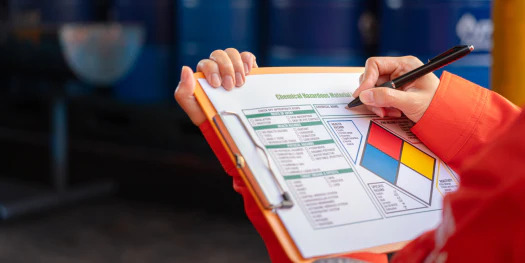
How to Safely Dispose of Sulfuric Acid
Sulfuric acid is one of the most common acidifying reagents and sulfur sources, essential across multiple industries. At the same time, it is also a toxic and highly hazardous chemical reagent, requiring safe handling and disposal by trained personnel.
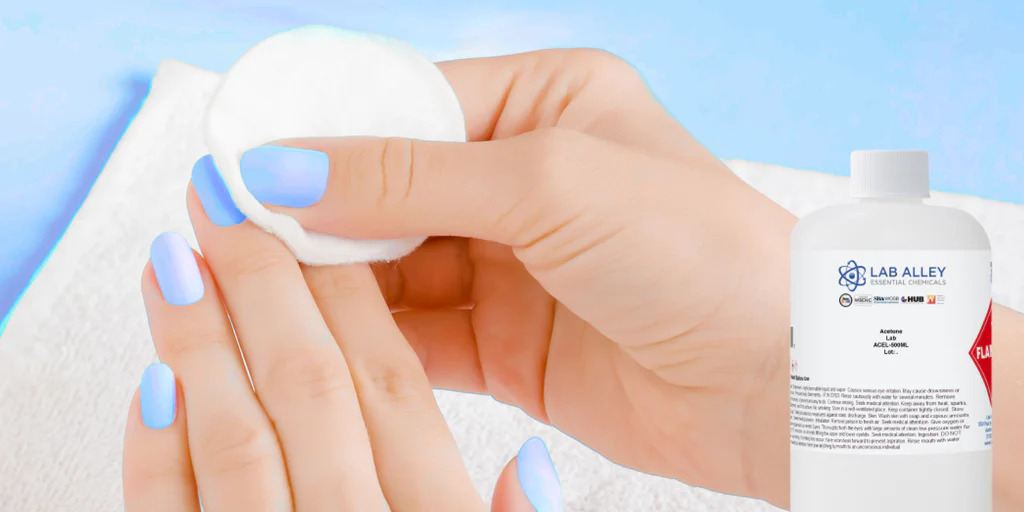
Acetone Safety: Proper Storage and Disposal Methods
Acetone is a staple chemical solvent in most laboratories. It is also perhaps one of the most recognizable chemicals to the layperson, best known as the pungent solvent comprising nail polish remover.
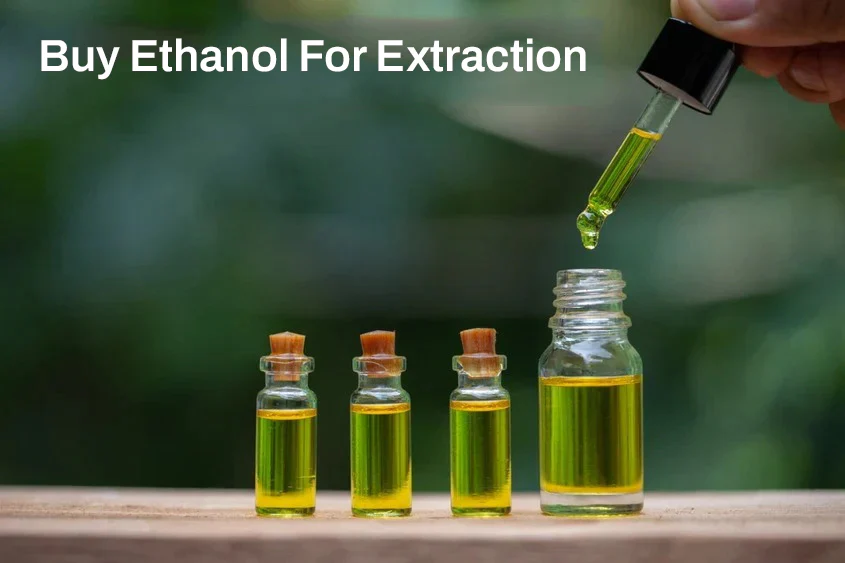
Pictured Above Are 5 Bottles Of Medicinal Oils Derived From Plants
You can order food grade ethanol, extraction grade ethanol, ACS grade ethanol, FCC grade ethanol, USP grade ethanol, HPLC grade ethanol and kosher ethanol from Lab Alley. Perform ethanol (EtOH) extraction at ultra-low temperatures for the best yields.
Ethanol extraction is a cost-effective way to use ethanol as an industrial solvent to produce high quality botanical extracts from large volumes of medicinal herbs or plants.
Pictured Above Are 5 Bottles Of Medicinal Oils Derived From Plants
FAQs
Is all hydrogen peroxide the same?
Can I use food-grade hydrogen peroxide for cleaning surfaces?
What happens if hydrogen peroxide freezes?
How long does hydrogen peroxide last?
Can hydrogen peroxide be mixed with other cleaners?
Sources
- National Institutes of Health (NIH) - PubChem Hydrogen Peroxide
- ScienceDirect – Industrial Uses of Hydrogen Peroxide - ScienceDirect – Hydrogen Peroxide
- Lab Alley – Hydrogen Peroxide Safety Data Sheet (SDS) - Lab Alley SDS - Hydrogen Peroxide
- OSHA – Hydrogen Peroxide Chemical Sampling Information
- NIOSH – Pocket Guide to Chemical Hazards: Hydrogen Peroxide
Related Sources
Hydrogen Peroxide From Lab Alley
Ordering hydrogen peroxide from Lab Alley is fast, simple, and reliable - any time you need it. Whether you prefer to order online or over the phone, we make the process hassle-free.
With on-time delivery, responsive customer support, and access to our on-site chemist for expert guidance, Lab Alley ensures you get the right product and answers - when you need them most.