
What Is Glycolic Acid?
Glycolic acid is an extremely versatile product that is a popular skincare ingredient, used as a gentle exfoliant to help smooth, brighten, and refresh the skin, and it also plays a key role in a variety of industrial and scientific applications. One of the most well-known and frequently utilized alpha-hydroxy acids (AHAs), it is also referred to by its common synonyms, hydroxyacetic acid and 2-hydroxyethanoic acid. It is a water-soluble substance that is naturally obtained from sources such as sugar cane. It is prized for its small molecular size, which enables it to efficiently permeate materials and surfaces. It has a reputation for performance and versatility in a wide range of industries due to its strong acidity, high solubility, and chemical reactivity.

The most well-known applications of glycolic acid are in skincare products like exfoliants, toners, and chemical peels, where it improves the texture and clarity of the skin by encouraging cell turnover. But its benefits go well beyond personal hygiene. Additionally, it is a reliable component of textile processing, metal surface treatments, industrial cleaning solutions, and is an essential chemical synthesis intermediate. Glycolic acid is still a crucial ingredient in consumer-facing and business applications because of its potent exfoliating, cleaning, and reactive qualities.
Shop high-quality glycolic acid in 30% to 70% concentrations - available in a wide range of sizes, including 1-gallon bottles - at Lab Alley.Known for its powerful exfoliating, cleaning, and reactive properties, glycolic acid is essential in both consumer and industrial applications. Lab Alley offers both Lab Grade and Cosmetic Grade glycolic acid, in stock and ready to ship.
Lab Alley supplies high-purity glycolic acid to cosmetic, pharmaceutical, and personal care labs across the United States. Our glycolic acid is ideal for use in formulations and chemical processes. To order Glycolic Acid in sizes ranging from 500mL to 55-gallon drums, call Lab Alley at 512-668-9918.
Large cosmetic, pharmaceutical, and personal care manufacturers in the US and Canada purchase 270-gallon totes of high-purity glycolic acid from Lab Alley to formulate high-quality skincare products, chemical peels, exfoliants, and industrial cleaning solutions.
Alpha-hydroxy acids (AHAs) with strong chemical properties and a small molecular size include glycolic acid. It is a useful ingredient in many different applications because of its physical and chemical characteristics.
When glycolic acid is solid, it has a density of 1.49 g/cm³ and melts between 75°C and 80°C, changing from a crystalline solid to a liquid. Careful handling is crucial at high temperatures because it doesn't reach a true boiling point when heated further; instead, it starts to break down at temperatures between 100°C and 112°C. As was previously mentioned, one of the main characteristics of glycolic acid is its high solubility in acetone, alcohols, and water, which makes it very helpful in both organic and aqueous formulations. It can operate in more specialized chemical environments because it is also somewhat soluble in ether.
Glycolic acid has a very low pH and acts chemically as a strong acid in aqueous solutions. It easily combines with bases to create glycolate salts, and when heated, it may break down and release irritant fumes. Glycolic acid can also corrode some metals when it is concentrated or heated to high temperatures, so material compatibility is crucial.
Because of its efficiency and versatility, glycolic acid is still a reliable ingredient in both commercial and scientific settings, from consumer products to laboratory research.
Key Facts About Glycolic Acid:
- Synonyms: Hydroxyacetic acid, 2-Hydroxyethanoic acid
- Physical Appearance: Typically colorless to light yellow, solid or liquid depending on the formulation
- Chemical Details: CAS No. 79-14-1 | Molar Mass: 76.05 g/mol | Formula: C₂H₄O₃

Understanding these properties helps ensure glycolic acid is used effectively and safely in everything from formulation labs to industrial systems.
Glycolic acid is a colorless to light yellow crystalline solid in its pure form, but it is commonly sold as a liquid solution for easier handling and formulation. Known for its small molecular size and high reactivity, it blends seamlessly into a variety of product types, particularly in environments where controlled acidity and active exfoliation are desired. It is prized for its versatility in both laboratory and commercial settings.
Glycolic acid sold by Lab Alley is a high-purity chemical compound commonly used in cosmetic, pharmaceutical, and industrial applications. Lab Alley's glycolic acid offerings are formulated to meet strict quality standards and are widely used in skincare formulations, chemical peels, and cleaning solutions. Glycolic acid is the simplest alpha hydroxy acid (AHA), with the chemical formula C₂H₄O₃.
Uses & Benefits
One of the most adaptable alpha-hydroxy acids (AHAs) available is glycolic acid, a potent ingredient with a variety of uses. It can work well in a variety of industries thanks to its special chemical characteristics, which include small molecular size, high solubility, and strong acidity.
Glycolic acid is frequently used as a cleaning and descaling agent in industrial settings, especially to remove mineral buildup, rust, and scale from metal surfaces. In order to improve cleaning and adhesion in finishing operations, it is also valued in metal surface treatment processes.
Glycolic acid is used as an analytical reagent in a variety of production and experimental procedures, as well as for pH control and chemical synthesis in scientific and laboratory settings.
Glycolic acid is most commonly used in household and consumer goods. A mainstay of skincare regimens, it accelerates cell turnover in chemical peels, exfoliants, and anti-aging treatments to promote smoother, more radiant skin. Because of its capacity to efficiently penetrate and alter surfaces, it is also used in hair care products and textile dyeing procedures.
Glycolic acid has specialized uses outside of the general public, such as in pharmaceuticals (especially for dermatological treatments) and cosmetics (where it is a crucial component of sophisticated anti-aging formulas). It even contributes to agriculture by adjusting the pH of soil treatments, which enhances soil balance and nutrient absorption.
We are pleased to provide cosmetic-grade glycolic acid at Lab Alley, which is perfect for use in clean beauty products, professional skincare formulations, and personal care products. Lab Alley offers the purity, quality, and quick 1-2 day shipping you can rely on, whether you're creating a high-performance exfoliant or looking for a trustworthy reagent for industrial use.
Fight Your Kidney Stone with This Natural Product Hack
Fight kidney stones. Discover how citric acid naturally prevents stone formation.
Is Lactic Acid Bad? A Look at the Health Science
Is lactic acid bad for you? Debunking myths and revealing its vital role in your body & beyond.
Hospitality Without Hitchhikers: Boric Acid’s Role in Bed Bug Prevention
Protect your hospitality business. Boric acid is key to preventing bed bug infestations.
Harnessing Silica Sulfuric Acid to Enhance Concrete Durability
Enhance concrete longevity. Silica sulfuric acid improves strength and chemical resistance.
Safety Information
Cosmetic-grade glycolic acid is just one of the many chemicals we handle, package, and ship with pride at Lab Alley. We urge all customers to adhere to appropriate safety procedures and best practices after the product is delivered because our dedication to safety goes beyond the boundaries of our warehouse. Although glycolic acid is a very useful and effective substance, it must be used carefully, just like many other chemical agents.
Hazards & Precautions
Because it is a corrosive substance, glycolic acid can burn skin, irritate eyes, and cause respiratory problems if it is handled incorrectly or inhaled. Consuming glycolic acid is also dangerous and must be avoided at all costs. Always read the Safety Data Sheet (SDS) that comes with every order, and take all the suggested safety measures.
Personal Protective Equipment (PPE)
When working with glycolic acid, proper personal protective equipment (PPE) is essential:
- Chemical-resistant gloves to protect the hands from corrosive exposure
- Safety goggles or a face shield to prevent eye contact
- Protective clothing or a lab coat to shield the skin
- Adequate ventilation - such as working under a chemical fume hood, to reduce inhalation risk
These precautions help ensure safe handling in both lab and industrial environments.
Storage Guidelines
Glycolic acid should be kept out of the way of strong bases and oxidizing agents that could cause a chemical reaction in order to preserve its stability and integrity. When not in use, containers must be kept tightly sealed to avoid evaporation and contamination.
Spill & Disposal Procedures
If there is a spill, neutralize the glycolic acid with a mild base, like sodium bicarbonate, and use an appropriate material to absorb the neutralized solution. Never pour concentrated glycolic acid down the drain without first properly neutralizing it, and always dispose of waste materials in compliance with local, state, and federal regulations.
How to Safely Dispose of Sulfuric Acid
Sulfuric acid is one of the most common acidifying reagents and sulfur sources, essential across multiple industries. At the same time, it is also a toxic and highly hazardous chemical reagent, requiring safe handling and disposal by trained personnel.
Acetone Safety: Proper Storage and Disposal Methods
Acetone is a staple chemical solvent in most laboratories. It is also perhaps one of the most recognizable chemicals to the layperson, best known as the pungent solvent comprising nail polish remover.
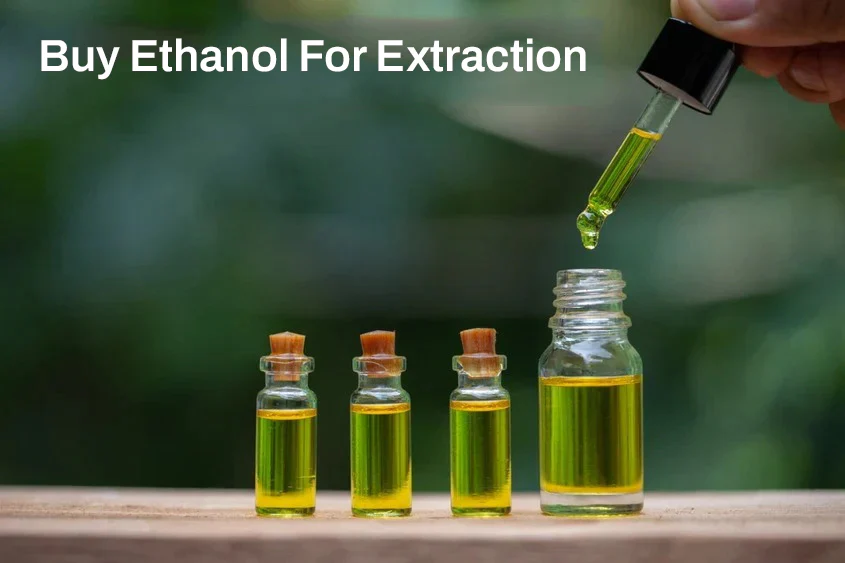
Pictured Above Are 5 Bottles Of Medicinal Oils Derived From Plants
You can order food grade ethanol, extraction grade ethanol, ACS grade ethanol, FCC grade ethanol, USP grade ethanol, HPLC grade ethanol and kosher ethanol from Lab Alley. Perform ethanol (EtOH) extraction at ultra-low temperatures for the best yields.
Ethanol extraction is a cost-effective way to use ethanol as an industrial solvent to produce high quality botanical extracts from large volumes of medicinal herbs or plants.
Pictured Above Are 5 Bottles Of Medicinal Oils Derived From Plants
FAQs
What is glycolic acid?
What is glycolic acid used for?
Cosmetic applications: chemical peels, exfoliants, acne treatments, anti-aging products
Pharmaceutical formulations: drug delivery systems and topical preparations
Industrial and cleaning solutions: rust removal, metal cleaning, and descaling agents
How is glycolic acid shipped and stored?
Is glycolic acid safe to use?
Sources
- SD Alcohol 39-C – Cosmetics Info
- Hand Sanitizer Use Out and About – https://www.cdc.gov/handwashing/hand-sanitizer-use.html
- About Cleaning Product Ingredients | The American Cleaning Institute (ACI)
- CFR – Code of Federal Regulations Title 21 (fda.gov)
- Alternative Fuels Data Center: Ethanol Fuel Basics (energy.gov)
- CFR – Code of Federal Regulations Title 21 (fda.gov)
- TTBGov – dbmenu8sub1
Related Resources
Glycolic Acid From Lab Alley
Ordering glycolic acid from Lab Alley is fast, simple, and reliable - any time you need it. Whether you prefer to order online or over the phone, we make the process hassle-free.
With on-time delivery, responsive customer support, and access to our on-site chemist for expert guidance, Lab Alley ensures you get the right product and answers - when you need them most.