Glycerin
Recommended For Cosmetics And Food Industries
- Size 5Gal Remove This Item
- Container Material Poly Remove This Item
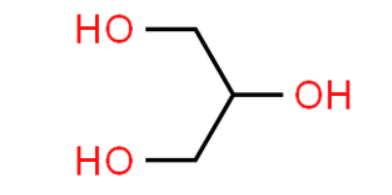
Glycerin, also known as Glycerol, is a polyhydric alcohol with molecular formula C3H8O3. Glycerin is a polyol compound that has three hydroxyl groups. It is a syrupy liquid with a clear appearance and can also be found in a crystallized state. Glycerin has solvent properties similar to water and simple aliphatic alcohols thanks to its three hydroxyl groups. It is miscible with water, methanol, ethanol, and the isomers of propanol, butanol, and pentanol.
Cosmetics: the utilization of Glycerin in the cosmetic industry is to function as a denaturant, fragrance ingredient, hair conditioning agent, humectant, oral care agent, oral health care drug, skin protectant, skin-conditioning agent, and viscosity decreasing agent. The FDA (Food and Drug Administration) collects information from manufacturers on the use of individual ingredients in cosmetics; Glycerin was the third most frequently reported ingredient (after water and fragrance).
Non-Cosmetics: Glycerin is considered safe by the FDA for food packaging and as a multiple-purpose food substance.
Lab Alley has Glycerin in the following grades and proofs:
There are two primary types of Glycerin, synthetic and natural. The starting material for synthetic Glycerin is allyl chloride, acrolein, propylene oxide, sugar, polyalcohol, fats, or epichlorohydrin. Natural or native Glycerin is obtained as a byproduct by converting fats and oils to fatty acids or methyl esters.
Glycerin can be used in cosmetics and non-cosmetics industries.